In the ancient city of Harar in eastern Ethiopia, after nightfall, the Erer Gate outside the city wall becomes the most unique "wild theater" on earth - this is the world-famous Hyena Feeding Site. While wildlife viewing elsewhere is still separated by security cars and telescopes, Harar allows people to face the wildness of Africa in an almost "crazy" way: without long guns and short guns, just a pair of hands and a piece of meat, you can have a thrilling and intimate contact with hyenas. This subversive experience makes people ask: Compared with the elegant migration of animals in the Kenyan safari, what kind of shocking truth is hidden in the "wild" here?
Advertisement
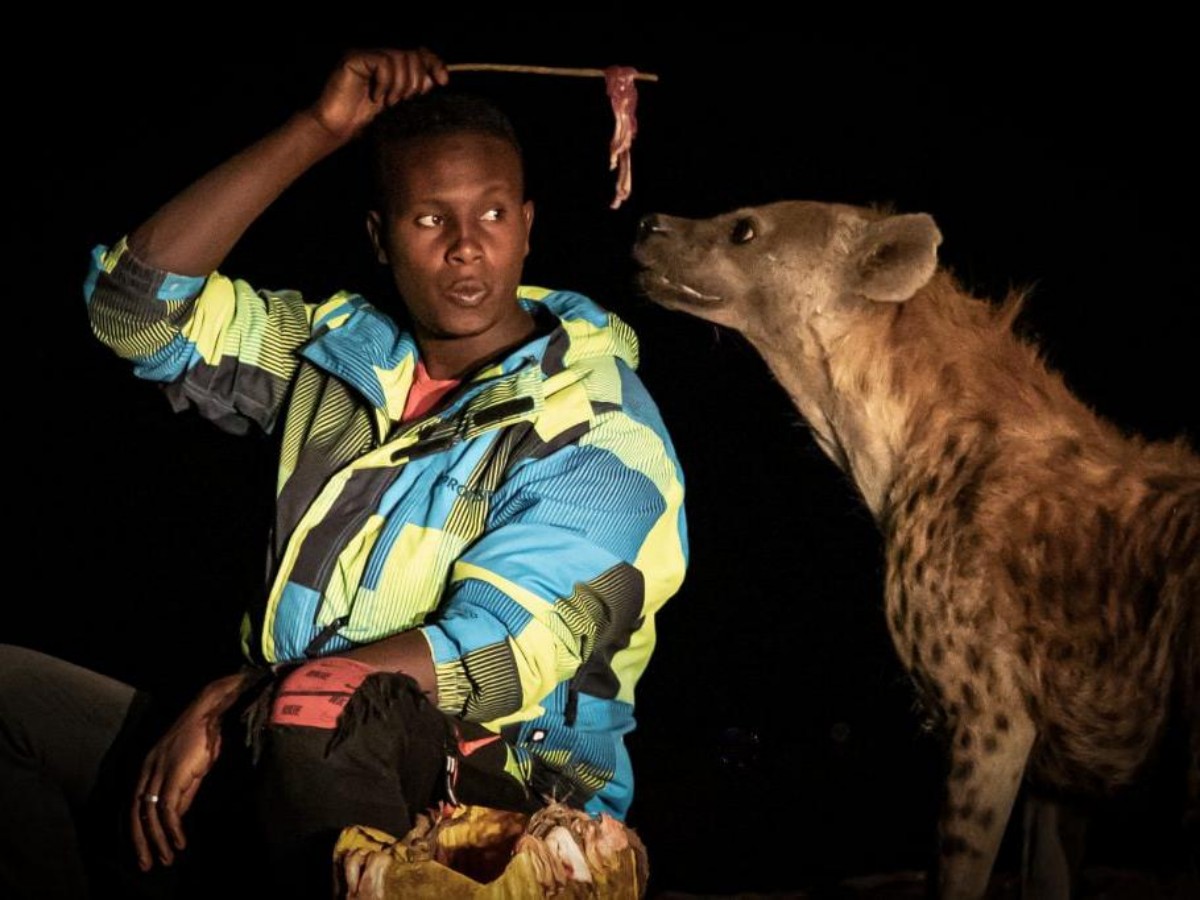
In Kenyan safari, tourists usually take modified off-road vehicles, keep a safe distance from lions and cheetahs, and capture the moment through a telephoto lens. In Harar, the rules of the feeding point are full of primitive tension. Every night at 18:30, as dusk falls over the ancient city, the experienced "Hyena Master" will walk to the center of the venue with a piece of meat in his hand, summoning the hyenas that have been wandering outside. These beasts, regarded by the locals as "city scavengers", reveal their sharp canine teeth under the cover of night, let out a low howl, and the atmosphere instantly becomes tense.
Advertisement
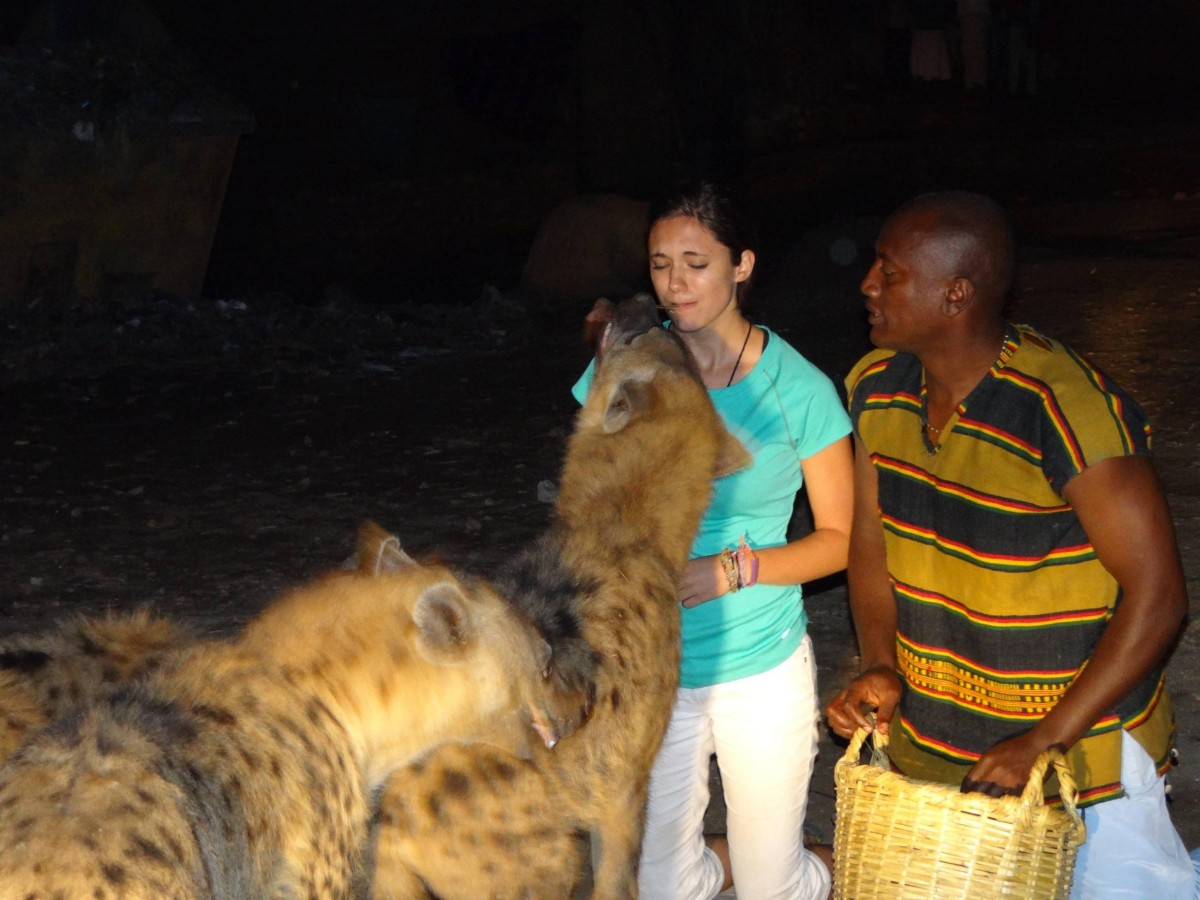
The most exciting part is the participation of tourists. When the hyena master hands you a short stick with raw meat, the warm breath hits you, and the hyenas will pounce on the food without hesitation. Their scarlet tongues lick the palms, and their sharp teeth rub the fingertips. This direct touch and visual impact is far more impactful than watching through the car window. A tourist once described: "At that moment, I felt not only fear, but also submission to the power of wildness."
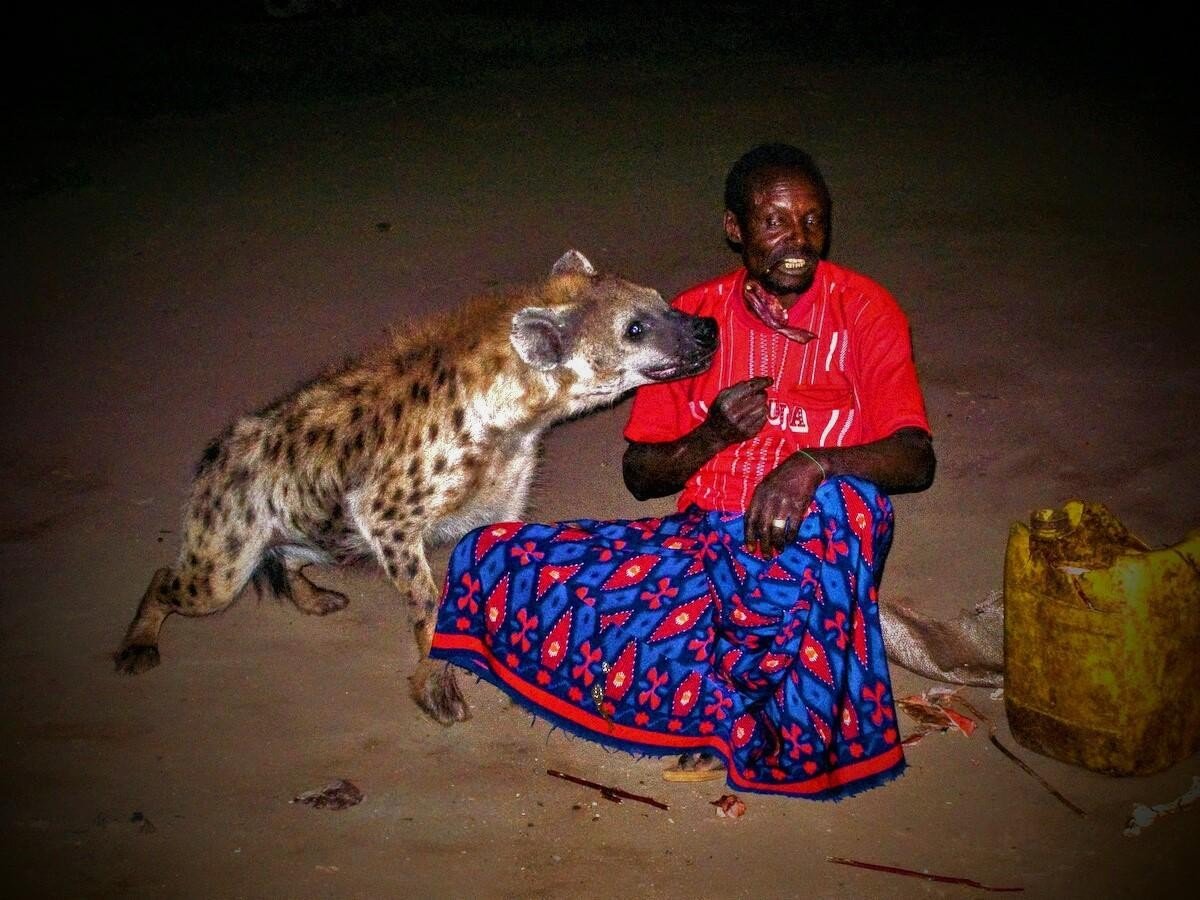
Unlike the "observer-observed" model of humans and animals in Kenyan safari, behind the hyena feeding in Harar is a cultural symbiosis that has lasted for hundreds of years. In local legends, hyenas are the companions of prophets, endowed with sacred attributes, and even called "guardians of the city walls." Historically, they helped clean up urban garbage and maintain ecological balance, so they were treated well by residents.
Advertisement
Today, the feeding ceremony is not only a visual feast, but also a carrier of cultural heritage. The "hyena masters" wear traditional costumes and summon hyenas with specific shouts. The whole process is full of ritual. One of the masters, Abdullah, revealed: "We have learned the skills of getting along with hyenas since we were young. This is the wisdom left by our ancestors. Every piece of meat and every action has its own rules." This way of taming wildness in daily life gives "wild" a deeper humanistic connotation.
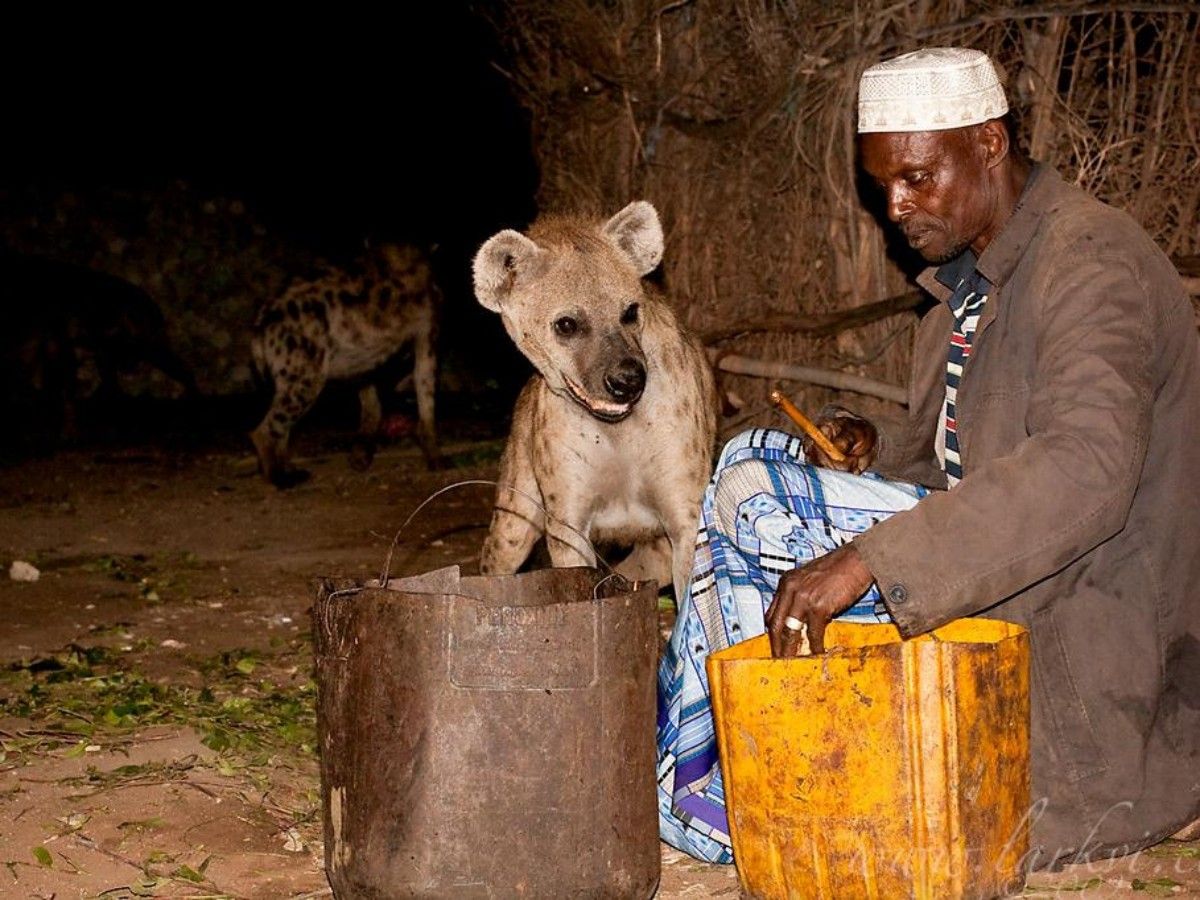
Although the hyena feeding in Harar is attractive, the essence of "wild" has never changed. According to statistics, there are about 20-30 hyenas here, all in wild state. Although they have adapted to humans after long-term contact, their aggressiveness is still unpredictable. The local management will strictly control the contact time between tourists and hyenas, and experienced masters will guide the whole process to ensure safety. However, some tourists have been slightly scratched because they tried to touch the hyenas due to excessive excitement, which also reminds people: no matter how intimate the interaction is, we must respect nature.
Compared with the mature commercial operation of Kenyan safari, the feeding point in Harar is more primitive and rough. The site is only divided by simple fences, and the lighting relies on a few dim street lights. The ticket price is only about US$5. This unpackaged experience is precisely its charm - there are no carefully designed viewing points, no comfortable viewing platforms, only the most authentic wildness and the purest adventure.
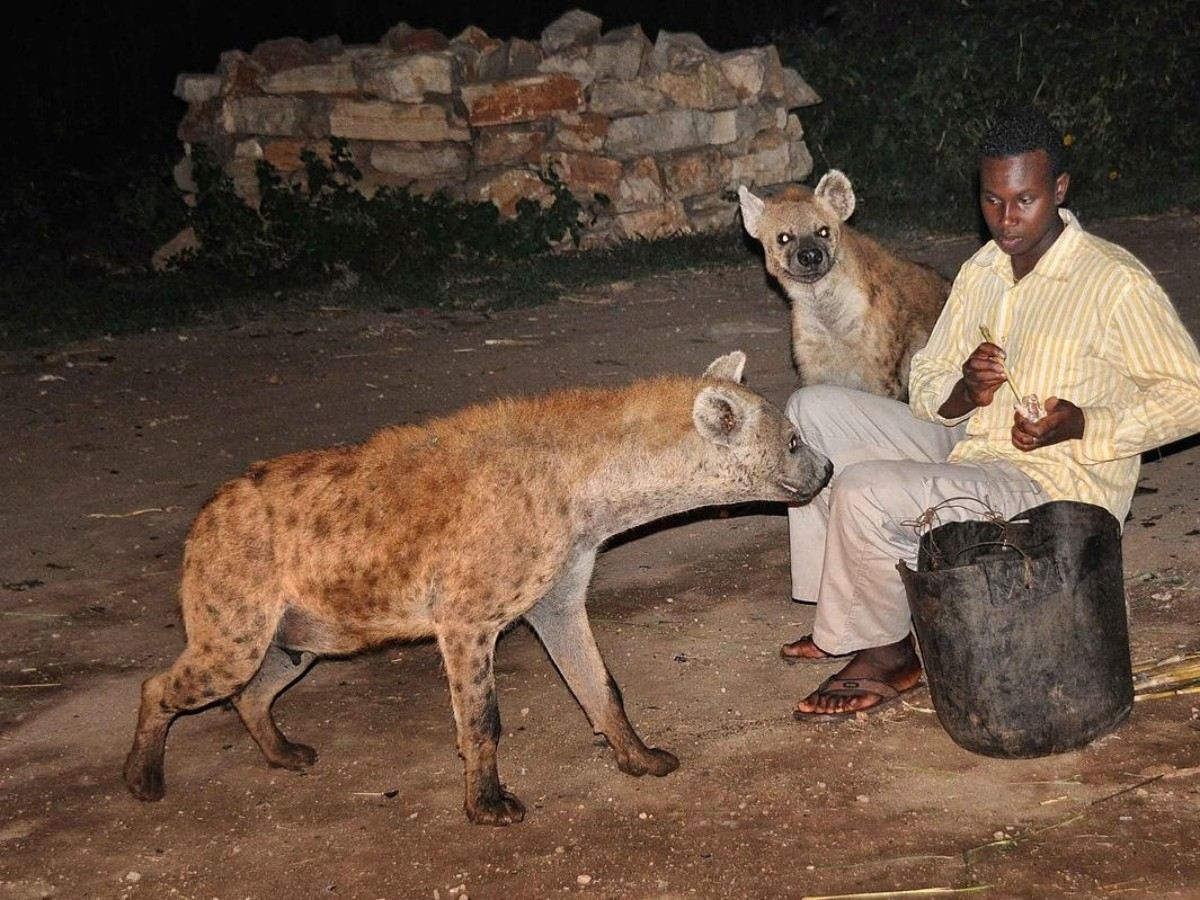
Best time: 18:30-20:00 every day, it is recommended to arrive 30 minutes in advance to grab a front row seat;
Cost details: Tickets are US$5, and feeding in person requires an additional fee of US$3-5;
Safety tips: No touching, loud noises or sudden movements, strictly follow the instructions of the "hyena master";
Photography skills: Use a large aperture lens to capture dynamic moments, turn on the anti-shake function of the mobile phone/camera to avoid blurry images due to tension;
Surroundings: It is recommended to combine the feeding experience with a night tour of the old city of Harar, taste the local specialty injera bread, and experience a double cultural impact.
In Harar at night, the howling of hyenas and the lights of the old city are intertwined, outlining a unique wild picture. Compared with the grand narrative of Kenyan safari, the "wild" here is more like a private dialogue with nature-there is no barrier of distance, no carefully arranged script, only the most direct eye contact between man and beast. Perhaps, the essence of shock is not the size of the scene, but when you stand in front of the hyenas and feel their body temperature in your palms, you will truly understand the weight of the word "wild": it is awe, coexistence, and the most primitive tribute to life.